How to Care for Yourself During a Hormonal Week
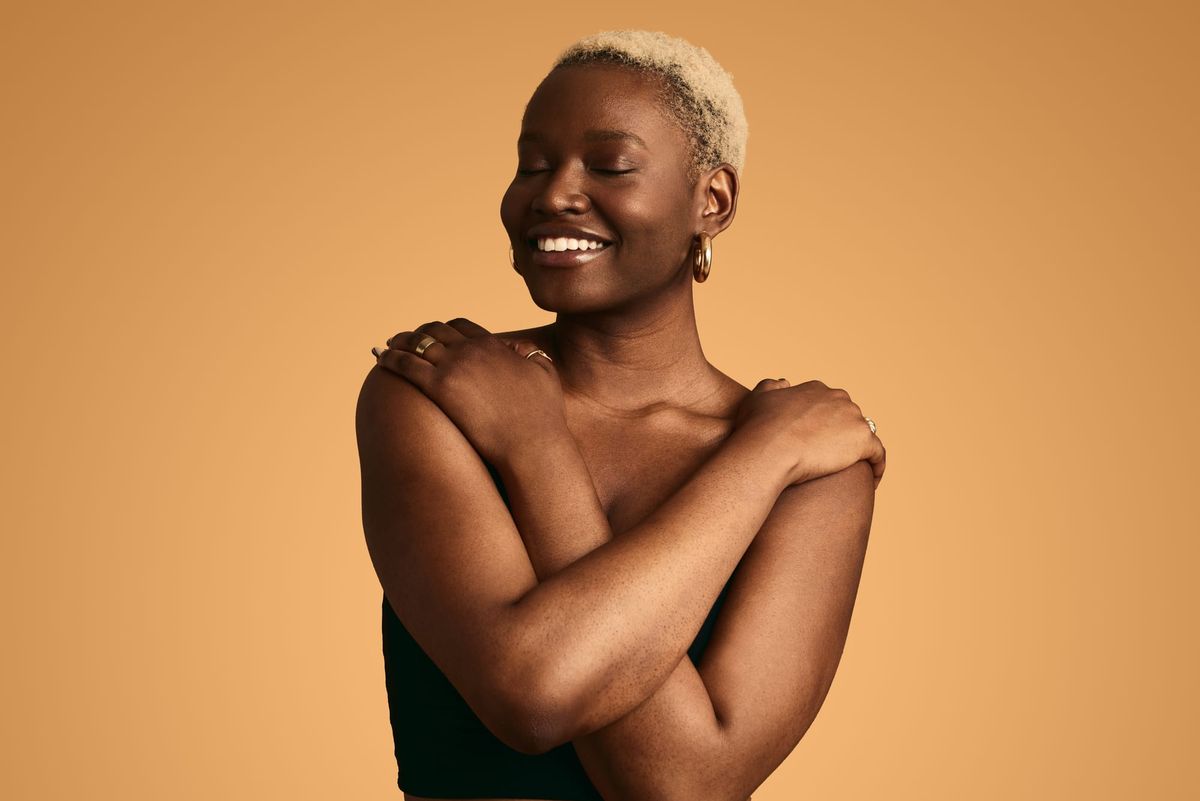
When Your Body Is Basically Asking You to Slow Down
You know those days. The ones where your jeans feel tighter, your patience feels thinner, and a perfectly reasonable comment from a coworker somehow brings you to the edge of tears. Your chest is tender, your energy is somewhere on the floor, and you're craving chocolate like it's your full-time job.
Here's the thing: you're not falling apart. You're just in a hormonal week - and your body is doing exactly what it's designed to do.
For women in their 30s especially, the days leading up to a period can feel genuinely intense. Progesterone drops, estrogen fluctuates, and your nervous system gets a little... louder. That's not weakness. That's biology.
But knowing the reason doesn't always make it easier to live through, does it? So let's talk about what actually helps.
Give Yourself Permission to Feel It
The first thing I want you to hear is this: you don't have to push through like nothing's happening. So many of us have been conditioned to treat our hormonal shifts as inconveniences to manage quietly, to keep performing at full capacity no matter what's going on internally.
That approach is exhausting. And honestly? It makes everything worse.
When you're in a hormonal week, your body is genuinely working harder. Your temperature regulation shifts, your sleep quality often dips, and your sensitivity - emotional and physical - turns way up. Acknowledging that isn't dramatic. It's just honest.
Try saying it out loud, even just to yourself: I'm in a harder few days, and I'm going to be a little gentler with myself. It sounds small, but that kind of self-permission is where real relief starts.
Nourish Without the Guilt Trip
Let's talk about those cravings, because they're real and they're not random. Your body genuinely needs more during the luteal phase - the week or so before your period. Caloric needs can tick up slightly, blood sugar becomes harder to regulate, and magnesium levels tend to dip, which is a big part of why chocolate calls your name so loudly.
Here's what actually helps: eating warm, grounding, satisfying food. Think soups, roasted vegetables, whole grains, dark leafy greens, and yes - a little dark chocolate if that's what your body wants. This isn't a cheat day. It's just feeding yourself well during a demanding time.
What doesn't help is restricting, skipping meals, or white-knuckling your way through hunger in the name of discipline. That tends to spike cortisol, which makes mood swings worse and cravings stronger. Eating regularly and generously during a hormonal week is genuinely self-care.
Move Your Body, But Make It Kind
Exercise can be a beautiful thing during a hormonal week - but the key word is kind. This is not the week to push a personal record or drag yourself through a workout that leaves you depleted.
What tends to feel really good? A slow walk outside. Gentle yoga. Stretching on your bedroom floor with a podcast on. Swimming if you have access. Movement that feels like a gift to your body rather than a punishment.
Even ten minutes of gentle movement can lift your mood noticeably - not because you burned calories, but because movement helps regulate the nervous system and ease the physical tension that builds up during this phase. Think of it as wringing out a damp cloth. A little release goes a long way.
Make Your Environment Softer
This one sounds almost too simple, but it genuinely matters. During a hormonal week, your sensory sensitivity is higher. Bright lights, loud noise, a cluttered space, a packed social calendar - all of it lands harder than usual.
So give yourself a softer environment where you can. Dim the lights in the evening. Put on something cozy. Cancel the plans that feel like obligations rather than joy. Light a candle if that's your thing. Create little pockets of calm throughout your day - even five minutes of quiet with a warm drink can reset your nervous system more than you'd expect.
This isn't about hiding from life. It's about reducing unnecessary friction during a time when your system is already working overtime.
Sleep Like You Mean It
Hormonal shifts in the luteal phase can genuinely disrupt sleep - you might find it harder to fall asleep, wake more easily, or feel unrefreshed even after a full night. Protecting your sleep during this week is one of the most powerful things you can do.
Wind down earlier than usual. Reduce screen time in the hour before bed. Keep your room cool and dark. If you wake in the night and your mind starts racing, try slow, deliberate breathing - in for four counts, out for six. It activates your parasympathetic nervous system and genuinely helps.
And if you need a nap? Take it. Seriously. A short rest mid-afternoon during a hormonal week isn't laziness. It's maintenance.
Be Honest With the People Around You
You don't owe anyone a detailed explanation of your cycle. But a simple, honest heads-up to the people closest to you can make a real difference. Something like, I'm having a harder few days hormonally - I might need a bit more space or patience this week - that's not oversharing. That's communication.
It takes the pressure off you to perform normalcy when you're not feeling it, and it gives the people who care about you a chance to actually show up for you.
You deserve that. You really do.
A Final Thought, From One Woman to Another
Your hormonal week is not a flaw in your design. It's part of a cycle that's been doing its job faithfully, month after month, for years. The tenderness, the fatigue, the emotion - those aren't signs that something's broken. They're signs that your body is alive and working.
The goal isn't to eliminate the hard days. It's to meet them with a little more grace, a little less judgment, and a whole lot more kindness toward yourself. You don't have to earn rest. You don't have to justify slowing down. You just have to take care of yourself - and that's always, always enough.
Don't miss out on future updates!
Join our newsletter to get the latest insights delivered straight to your inbox.