How to Create a Calmer Relationship With Your Cycle
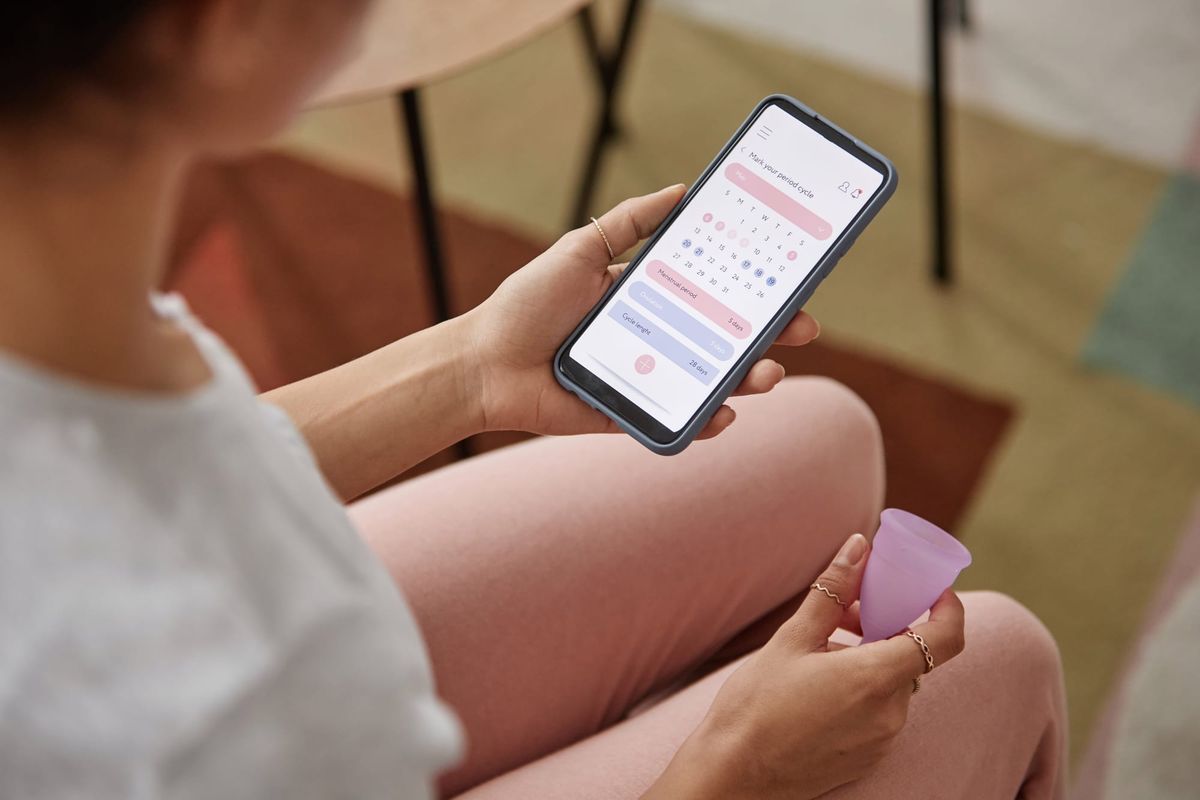
Most women in their 30s have spent years either ignoring their cycle entirely or quietly dreading it. There is a third option - one that feels nothing like obsession and everything like finally understanding yourself. You can build a genuinely calm, curious relationship with your cycle, and it starts with far less effort than you think.
Before: Living Out of Sync With Your Own Body
Here is what the disconnected version looks like. You feel blindsided by your mood every month. One week you are sharp, social, and motivated. The next, you are exhausted, tearful, and wondering what is wrong with you. It feels random. It feels like a flaw.
For a lot of women, the cycle becomes something to manage, suppress, or push through. PMS gets written off as just being emotional. Low-energy days get labeled as laziness. The bloating, the brain fog, the sudden need for solitude - all of it gets filed under personal failing rather than physiological reality.
And the tracking apps do not always help. Many of them turn your cycle into a performance - logging symptoms obsessively, chasing a perfect fertile window, color-coding every mood. What starts as awareness can quietly tip into anxiety. That is not what this is about.
After: A Cycle You Actually Understand
Imagine knowing, without panic, that the reason you want to cancel everything on day 26 is not a personality problem - it is progesterone dropping and your nervous system asking for quiet. That knowledge alone changes everything.
When you understand your cycle, you stop fighting yourself. You start planning around your energy instead of against it. You schedule the hard conversations and the big presentations for the weeks when you feel expansive. You protect the slower days without guilt. You support your body through PMS with nourishment and rest instead of shame and caffeine.
This is not about becoming a cycle-obsessed wellness guru. It is about having enough self-knowledge to stop being surprised by your own body every single month. Women who track gently report feeling more confident, less reactive, and significantly less anxious about their hormonal shifts - because the unknown is always scarier than the understood.
The Bridge: How to Get There
- Start with just one thing to notice. Do not open a tracking app and log fifteen symptoms on day one. Pick a single data point - energy level, mood, or sleep quality - and note it each morning for one full cycle. A simple journal or even a notes app works perfectly.
- Learn the four broad phases, loosely. Your cycle is not just period and not-period. Menstruation, the follicular phase, ovulation, and the luteal phase each carry distinct hormonal patterns. You do not need to memorize science - just knowing that the second half of your cycle tends to be lower-energy gives you permission to plan accordingly.
- Map your energy, not just your symptoms. Instead of logging what hurts, log what feels possible. On a scale of one to ten, how social do you feel today? How focused? Over two or three cycles, patterns will emerge that are specific to your body - not a textbook average.
- Respect the luteal phase without catastrophizing it. The week or so before your period is when PMS symptoms tend to peak. Rather than bracing for disaster, try supporting this phase proactively - more magnesium-rich foods like dark chocolate and leafy greens, earlier bedtimes, and lighter social commitments. Small adjustments, real results.
- Drop the perfectionism around tracking. Missed three days of logging? Fine. Forgot to note your ovulation window? It does not matter. Gentle tracking means you come back to it when you can, without treating a skipped entry as a failure. Consistency over months matters far more than perfection over days.
- Use your data to advocate for yourself. Once you have two or three cycles logged, you have real information. You can bring it to a doctor, a therapist, or simply use it to have a conversation with a partner or employer about why certain weeks need more breathing room. Your cycle data is self-knowledge made visible.
Your cycle is not working against you - it never was. It has been sending you signals your whole adult life, and now, in your 30s, you finally have the context and the capacity to listen. Start small, stay curious, and give yourself the grace to learn your own rhythms without turning it into another thing to get right. The calmer relationship you want with your body? It is already waiting on the other side of a little gentle attention.
Don't miss out on future updates!
Join our newsletter to get the latest insights delivered straight to your inbox.