The Little Things That Help Me Feel Less Bloated and More Comfortable
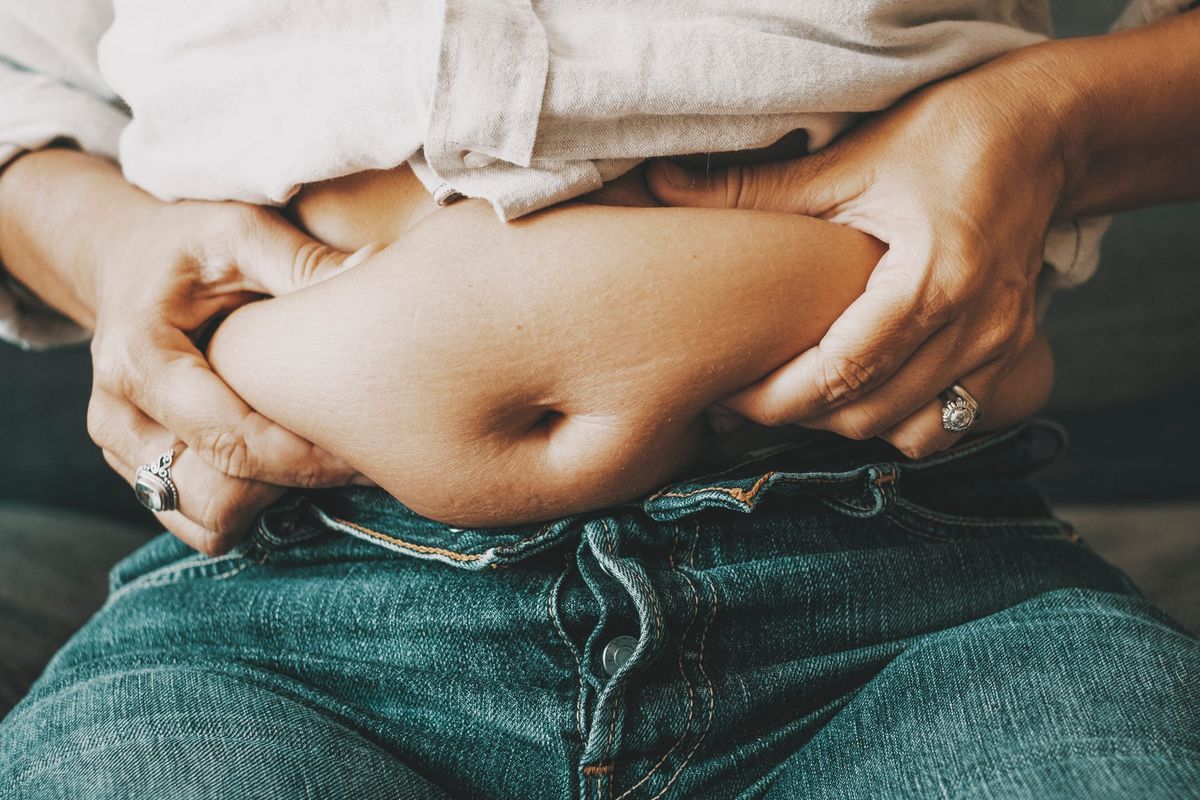
Can we just be honest for a second? Bloating is one of those things that nobody really talks about enough, and yet almost every woman I know deals with it regularly.
It's not just a little puffiness. Sometimes it's the kind of discomfort that makes you want to change your outfit three times, cancel your plans, and lie on the couch with a heating pad. I've been there. More times than I can count.
Over the years, I've picked up a bunch of small, genuinely helpful habits that make a real difference for me. Nothing extreme. Nothing that requires a 30-step protocol or a cabinet full of supplements. Just simple, realistic things that actually work.
Here's what I keep coming back to.
Start With What You're Drinking (Not Just What You're Eating)
Most of us immediately blame food when we feel bloated. And yes, food plays a role. But what you're drinking matters just as much, and it's often the piece that gets overlooked.
- Warm water with lemon first thing in the morning - it gently wakes up your digestive system before you throw anything else at it
- Cutting back on carbonated drinks - the bubbles literally introduce gas into your gut, which is the last thing you need when you're already uncomfortable
- Sipping instead of gulping - drinking too fast means you're swallowing a lot of air along with your water or tea, and that adds up
- Herbal teas like peppermint, ginger, or fennel - these aren't just cozy, they genuinely help relax the muscles in your digestive tract and ease that tight, full feeling
- Spacing out your fluids around meals - drinking a huge glass of water right in the middle of eating can dilute your digestive enzymes and slow things down
None of this is complicated. But being a little more intentional about hydration has honestly made a noticeable difference for me.
The Eating Habits That Changed Everything
Here's the truth: it's often not what you're eating but how you're eating it that causes the most trouble.
I used to eat lunch at my desk while scrolling, barely chewing, barely breathing. And then wonder why I felt like a balloon by 3pm. Sound familiar?
- Slowing down and actually chewing - digestion starts in your mouth, and when you rush through meals, your stomach has to work so much harder
- Eating in a calm state - when you're stressed, your body is in fight-or-flight mode, and digestion genuinely takes a back seat. Even just a few deep breaths before eating helps
- Smaller, more frequent meals - if large meals consistently leave you feeling stuffed and uncomfortable, experimenting with smaller portions more often can take a lot of pressure off your gut
- Identifying your personal trigger foods - for me it's raw onions and certain beans. For you it might be something totally different. Keeping a loose food journal for a week or two can be really eye-opening
- Not lying down right after eating - a short, gentle walk after a meal does wonders for moving things along
Movement That Actually Helps (Without Being Intense)
I'm not talking about a HIIT class when you're already bloated and uncomfortable. That sounds like a nightmare, and honestly, it can make things worse.
But gentle movement? That's a different story entirely.
- A 10-15 minute walk after meals - this is probably the single most effective thing I do. It stimulates gut motility in a really natural, low-effort way
- Yoga poses like child's pose, supine twists, and wind-relieving pose - yes, that last one is exactly what it sounds like, and it works
- Gentle abdominal massage - using your fingertips to massage your belly in a clockwise direction (following the path of your colon) can help move things along when you're feeling really stuck
- Stretching throughout the day - especially if you sit for long periods. Compression from sitting can slow digestion significantly
The Hormonal Side Nobody Mentions
If you notice your bloating follows a pattern - worse in the week before your period, for example - that's not a coincidence. Hormonal fluctuations directly affect how your gut behaves.
Progesterone, which rises in the second half of your cycle, actually slows down gut motility. And the drop in estrogen right before your period can cause water retention and inflammation. It's a whole thing.
- Tracking your cycle alongside your symptoms - once you see the pattern, it's so much less mysterious and frustrating
- Being gentler with yourself in the luteal phase - this is the week or two before your period. Eating more warming, cooked foods and pulling back on raw veggies and legumes can genuinely help
- Reducing salt intake in the days before your period - salt drives water retention, which amplifies that heavy, puffy feeling
- Magnesium - I take a magnesium glycinate supplement in the second half of my cycle and it has been a game-changer for both bloating and cramping. Always worth checking with your doctor first, but it's worth knowing about
Small Lifestyle Tweaks That Add Up
Let's be real - sometimes it's the tiniest adjustments that make the biggest difference in how you feel day to day.
- Managing stress - your gut and your nervous system are deeply connected. Chronic stress is one of the biggest drivers of digestive discomfort, full stop
- Prioritizing sleep - poor sleep disrupts your gut microbiome and increases inflammation. Everything feels worse when you're running on empty
- Wearing comfortable clothing - this sounds almost too simple, but tight waistbands can actually worsen bloating by restricting your digestive organs. On hard days, give yourself permission to dress for comfort
- Probiotics and fermented foods - things like yogurt, kefir, sauerkraut, and kimchi support a healthy gut microbiome, which plays a big role in how efficiently you digest food
- Eating enough fiber - but gradually - fiber is great for digestion, but suddenly ramping it up can actually cause more bloating. Slow and steady wins here
Here's the thing I want you to hold onto: bloating is incredibly common, and it doesn't mean something is wrong with you or your body. It's often just your system asking for a little more attention and care.
You don't have to overhaul everything at once. Pick one or two things from this list that feel doable and start there. Small, consistent shifts are what actually stick - and they're what I keep coming back to, every single time.
Your body is doing its best. And so are you.
With warmth,
Hannah
Don't miss out on future updates!
Join our newsletter to get the latest insights delivered straight to your inbox.