What Your Period Symptoms Might Be Telling You
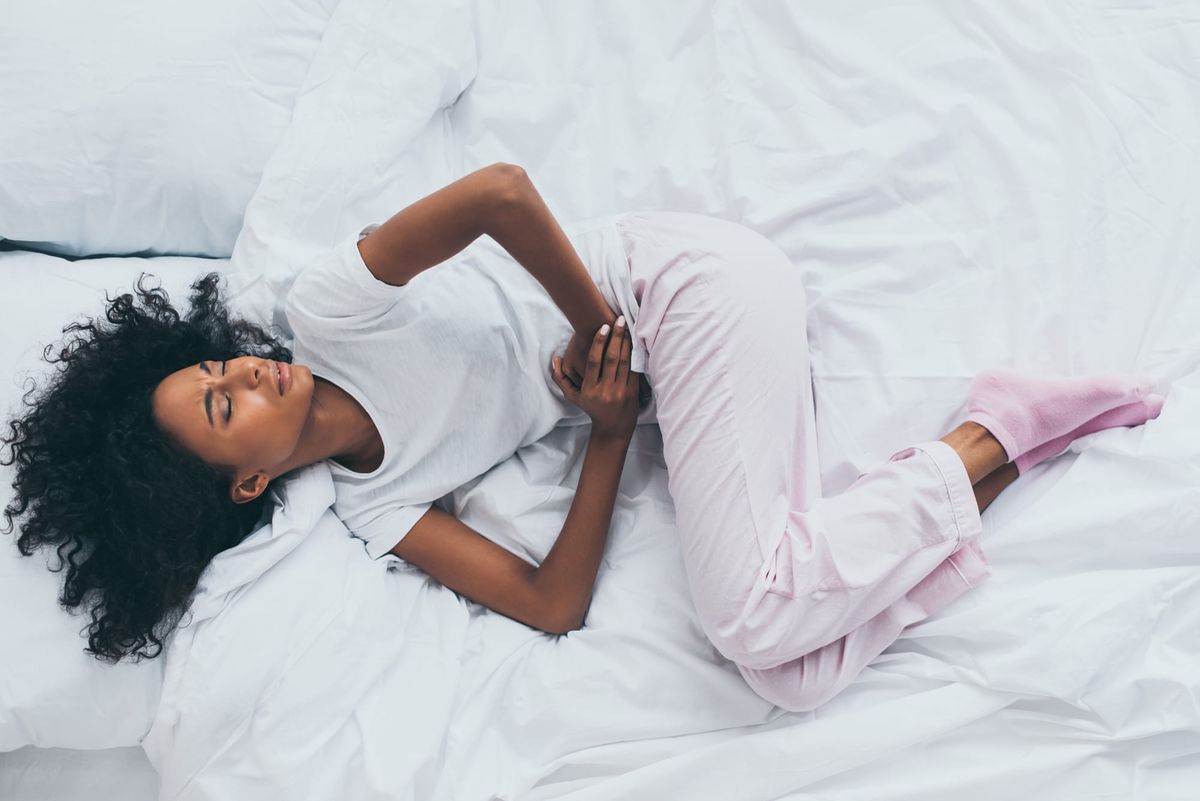
A gentle beginner’s guide to cramps, cravings, fatigue, mood shifts, and knowing when your body may need more support.
For a long time, I treated my period symptoms like something I simply had to tolerate.
Cramps were just cramps, cravings were something to control, fatigue was something to push through, and mood shifts were something I quietly blamed myself for, as if becoming more disciplined or less sensitive would somehow make my cycle easier to live with.
I didn’t really know how to listen to my period; I only knew how to manage it, hide it, and keep going.
And I think many women are taught the same thing. We are told periods are normal, which they are, but sometimes that message gets twisted into the idea that everything connected to our period should be ignored. We learn to dismiss pain, laugh off cravings, apologize for emotions, and carry on even when our bodies are clearly asking for something different.
The truth is, your period can tell you a lot. It can offer clues about your stress, sleep, nourishment, hormones, energy, and overall wellbeing, and while not every symptom means something is wrong, every symptom deserves to be met with curiosity rather than shame.
Your Period Is Part of a Bigger Rhythm
Your period is not just a few days of bleeding that randomly interrupt the month. It is part of a larger hormonal cycle, and that cycle can influence how you feel physically, emotionally, and mentally.
Some women move through their cycle with very few noticeable changes, while others feel clear shifts in energy, appetite, mood, sleep, motivation, digestion, and comfort levels. Neither experience makes you more or less healthy, but paying attention to your own pattern can help you understand what is normal for you.
I didn’t begin noticing my own patterns until my early 30s, when I finally stopped treating every low-energy day as a personal failure. I started realizing that there were certain days before my period when I felt more tired, more inward, more easily overwhelmed, and much more interested in warm, comforting food. Once I saw the pattern, I felt less confused by myself.
That is the gift of awareness. It does not make every symptom disappear, but it can soften the way you respond.
Cramps May Be Asking for Care, Not Toughness
Period cramps are common, but that does not mean they should be dismissed without thought.
Mild to moderate cramps can happen when the uterus contracts to shed its lining, and many women find relief through warmth, gentle movement, rest, hydration, or medication recommended by a healthcare professional. But I think we need to be careful with the way we talk about pain, because women are often praised for tolerating discomfort instead of being encouraged to understand it.
If your cramps are manageable and familiar, they may simply be part of your usual cycle, but if the pain is severe, worsening, stopping you from working or studying, making you feel sick, or interfering with your daily life every month, that deserves more attention.
You are not being dramatic for asking why something hurts.
You are not weak because you need support.
Pain is information, and your body does not need you to prove how much you can endure before you are allowed to seek help.
Cravings Are Not a Failure of Willpower
Cravings around your period can feel so personal, especially if you have spent years feeling like your appetite needs to be controlled.
There were times when I would crave chocolate, bread, pasta, or salty snacks before my period and immediately turn it into a story about discipline. I thought I needed to be stricter, when often my body was simply asking for more energy, more comfort, or more steadiness.
Cravings may be connected to hormonal shifts, but they can also be influenced by stress, tiredness, restriction, skipped meals, poor sleep, or emotions that need somewhere to land. That does not mean every craving needs to become a full investigation, but it does mean you can pause before judging yourself.
Instead of asking, “Why can’t I control myself?” try asking, “Have I eaten enough today? Did I sleep badly? Am I stressed? Am I about to start my period? Would a more satisfying meal help me feel steadier?”
Sometimes the answer is a proper dinner. Sometimes it is a snack. Sometimes it is chocolate eaten calmly without guilt. Sometimes it is rest, water, or a quiet moment away from everyone else’s needs.
Your cravings are not proof that your body is against you. They may simply be one of the ways your body asks to be cared for.
Fatigue Can Be a Sign to Lower the Pressure
I used to feel frustrated with myself when my energy dipped before or during my period, because I expected myself to keep the same pace all month long.
Same workouts, same productivity, same social energy, same emotional capacity, same ability to manage life without needing anything extra.
But women’s bodies are not machines, and our energy is not meant to be perfectly flat every day.
Feeling more tired around your period can be a normal part of your rhythm, especially if you are also dealing with stress, poor sleep, a busy schedule, or not eating enough. During those days, I try to lower the pressure where I can. I choose simpler meals, gentler movement, earlier nights, and fewer unnecessary demands.
This does not mean disappearing from your life every month. It means respecting the fact that your body may need a little more support during certain phases of your cycle.
If fatigue feels extreme, constant, or very different from your usual pattern, it is worth speaking with a healthcare professional, because sometimes tiredness is not something to simply push through.
Mood Shifts Deserve Context and Compassion
Mood changes before a period can be tender, because they often make us feel like we are not quite ourselves.
You may feel more sensitive, more tearful, more irritable, more anxious, or more easily overwhelmed by things you normally handle. And when that happens, it can be tempting to judge yourself harshly or dismiss your feelings completely.
I try to take a middle path.
I do not believe every feeling before a period should be ignored as “just hormones,” because our emotions may still be telling us something real about our needs, boundaries, stress, or relationships. But I also know that hormonal shifts, poor sleep, and physical discomfort can make everything feel sharper than usual.
So instead of immediately reacting or criticizing myself, I try to add context. Where am I in my cycle? Have I eaten enough? Am I rested? Am I overstimulated? Is this feeling asking for action, or is it asking for tenderness first?
Sometimes the most helpful thing is not solving your whole life on a premenstrual afternoon. Sometimes it is eating something warm, taking a walk, crying if you need to, and waiting until your body feels steadier before making big conclusions.
When Symptoms Deserve More Attention
A gentle relationship with your period also means taking symptoms seriously when they are intense, unusual, or affecting your life.
It may be time to speak with a qualified healthcare professional if your periods are very heavy, last longer than usual, become suddenly irregular, cause severe pain, include bleeding between periods, come with dizziness or extreme fatigue, or regularly stop you from doing normal daily activities.
I know it can feel easy to minimize period symptoms, especially if you have been told that discomfort is just part of being a woman, but common does not always mean something should be ignored.
You know your body better than anyone, and if something feels wrong, different, intense, or difficult to live with, you deserve to ask questions and receive proper care.
Learning Your Own Pattern
One of the kindest things you can do is gently track your symptoms for a while, not obsessively, but with curiosity.
You might note when your period begins, how heavy it feels, whether you have cramps, when cravings appear, how your mood changes, how your sleep feels, and what helps you feel better. Over time, this can help you understand what is typical for you and what might need more attention.
The goal is not to turn your body into a project.
The goal is to become less confused by yourself.
When you know your patterns, you can prepare with more kindness. You can plan gentler movement, stock nourishing foods, protect your sleep, lower unnecessary pressure, and remind yourself that certain feelings may pass.
Your Period Is Not the Enemy
Your period symptoms are not something to be ashamed of, and they are not proof that your body is difficult, dramatic, or unreliable.
They are signals.
Some signals are normal and manageable. Some ask for rest, food, warmth, or patience. Some deserve medical attention. All of them deserve to be heard.
The more I learn about women’s health, the more I believe we need to stop treating our bodies like interruptions and start treating them like companions.
Your body is speaking in its own way.
Cramps may ask for care. Cravings may ask for nourishment. Fatigue may ask for rest. Mood shifts may ask for compassion. Unusual symptoms may ask for support.
You do not have to understand everything perfectly.
You can simply begin by listening with a little less judgment and a little more trust.
With warmth,
Hannah
Don't miss out on future updates!
Join our newsletter to get the latest insights delivered straight to your inbox.