Aging Kindly: How I’m Learning to Respect My Changing Body
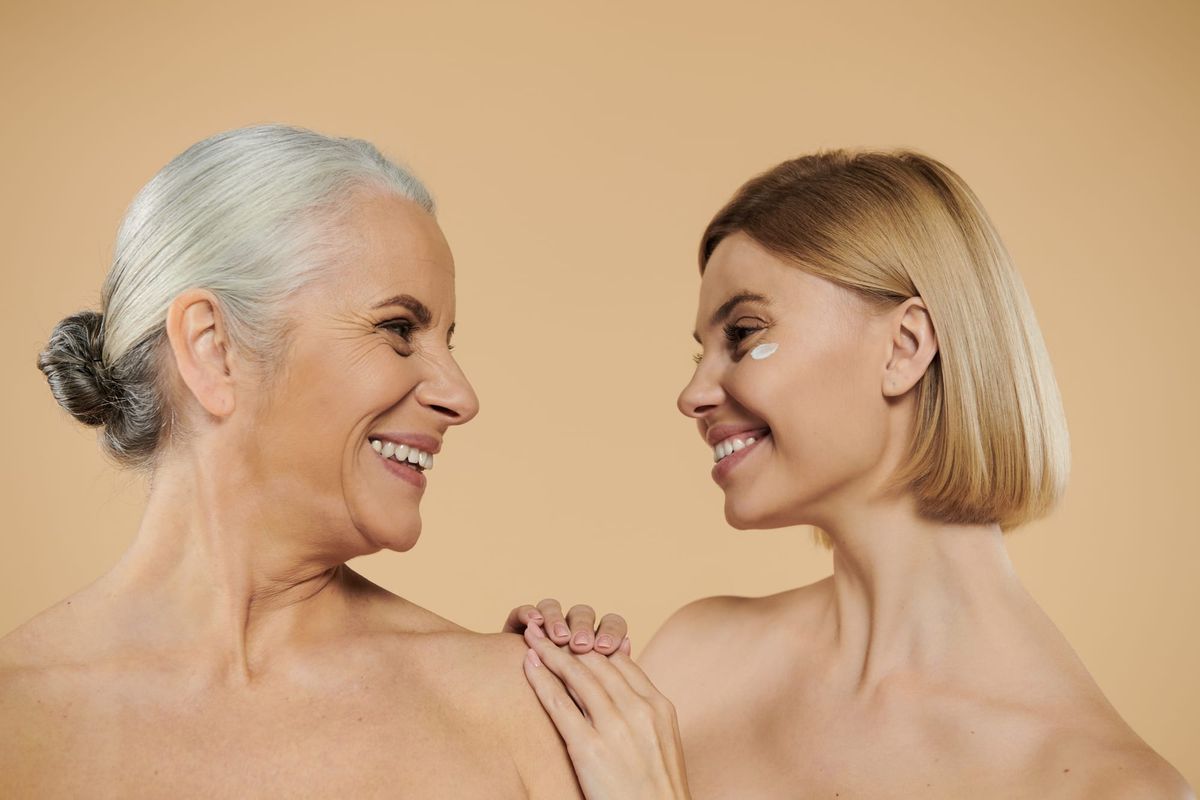
A softer reflection on body changes, skin, energy, hormones, comparison, and learning not to meet aging with fear.
I used to think aging was something that happened later, in some faraway season of life where I would suddenly feel different, look different, and need to make peace with a body I no longer fully recognized.
Then, quietly, I began noticing small changes.
My skin did not bounce back in exactly the same way after a tired week. My energy was not as easy to borrow from tomorrow as it used to be. Late nights seemed to ask for more repayment. Stress showed up more quickly on my face, in my sleep, in my digestion, and in the way my body held tension. My cycle started feeling a little more noticeable in certain months, and there were days when I looked in the mirror and saw not a dramatic change, but enough of one to make me pause.
At first, I didn’t know how to feel about it.
Part of me wanted to be calm and wise, the kind of woman who embraces every line and every shift with complete confidence. Another part of me felt tender, because even when we believe aging is natural, it can still feel emotional to watch the body change in real time.
I think many women live in that space.
We want to age with grace, but we are surrounded by a culture that often treats aging as something to correct, hide, slow down, or fear. We are told to love ourselves, but we are also sold endless products and promises that suggest we should remain as close as possible to the youngest acceptable version of ourselves.
It is a confusing place to be.
So I am learning to choose something gentler.
Not pretending I never struggle with aging, but also refusing to treat my changing body like a problem.
My Body Was Never Meant to Stay the Same
One of the most grounding things I remind myself is that my body was never designed to remain frozen in one version.
It has lived with me.
It has carried me through stressful seasons, joyful seasons, heartbreak, work, sleepless nights, laughter, meals shared with people I love, long walks, hormonal shifts, healing, growth, and all the ordinary days that make up a life.
Of course it has changed.
How could it not?
And yet, even knowing that, there can be grief in change. There can be a strange tenderness in realizing that a body you once knew so well is becoming slightly different. Maybe softer in some places, more tired in others, more sensitive to stress, less forgiving of habits that used to feel harmless.
I am trying not to dismiss that grief, because telling ourselves we “shouldn’t care” rarely helps.
Instead, I try to meet it honestly. Yes, this feels different. Yes, sometimes I miss the ease of an earlier body. Yes, change can be uncomfortable. And yes, I can still choose respect.
Both things can be true.
Skin Tells a Story, Even When We’re Taught to Erase It
Skin is one of the first places many women notice aging, and I think it can feel especially personal because our faces are how we meet the world.
A fine line appears. The skin looks dull after poor sleep. The glow feels less automatic. Makeup sits differently. A photo catches an angle that feels unfamiliar. Suddenly we begin examining ourselves with a level of detail we would never use on a friend.
I have had those moments, standing too close to the mirror, noticing things that probably no one else would notice, and feeling that old pressure to fix, improve, smooth, brighten, tighten, and somehow return.
But I am trying to build a kinder relationship with my skin.
I still care for it. I like simple skincare. I like hydration, sunscreen, sleep, gentle products, and the feeling of washing the day off my face in the evening. Caring for my skin can be a lovely act of self-respect.
But I do not want my skincare to come from panic.
There is a difference between caring for your face and fighting it.
I want to look at my skin and remember that it belongs to a woman who has laughed, cried, worried, healed, worked, loved, and lived. That does not mean I have to adore every line every day. It simply means I do not want to make my face the enemy of my peace.
Energy Changes Deserve Attention, Not Shame
Aging kindly also means being honest about energy.
I used to be able to push through tiredness more easily, or at least I thought I could. I could stay up late and still function. I could skip meals and pretend coffee was enough. I could overcommit and then recover with one decent night of sleep.
Now, my body is less interested in that kind of bargain.
If I sleep badly, I feel it. If I do not eat enough, my mood notices. If I ignore stress for too long, my body finds a way to speak. If I overtrain or move from guilt instead of care, I feel more depleted than strong.
At first, I found this frustrating. It felt like my body was becoming more demanding.
Now, I wonder if my body is simply becoming more honest.
Maybe the needs were always there, but I was better at ignoring them. Maybe aging is not only about losing resilience, but about losing tolerance for self-neglect. Maybe the body begins to insist on care because it knows we cannot keep pretending forever.
That thought feels softer to me.
Instead of asking, “Why can’t I handle what I used to?” I try to ask, “What kind of support does this version of me need?”
Hormones Can Change the Conversation
As women move through different stages of life, hormones can shift in ways that affect energy, mood, sleep, cycle patterns, cravings, body composition, skin, and emotional steadiness.
I am not interested in making hormones sound frightening or mysterious, because they are not something to fear. They are part of the body’s communication system. But I do think women deserve to know that if they begin feeling different, it is worth paying attention rather than blaming themselves immediately.
If your cycle feels different, your sleep changes, your moods feel harder to predict, your energy dips, or your body seems to respond differently to stress, food, or movement, you are not automatically failing at wellness.
You may simply be in a new conversation with your body.
And like any conversation, it deserves listening.
Sometimes that means adjusting routines. Sometimes it means more rest, more strength training, steadier meals, better boundaries, or support from a healthcare professional. Sometimes it means asking questions and refusing to accept “just deal with it” as the only answer.
Aging kindly means taking your body seriously without turning every change into a crisis.
Comparison Makes Aging Feel Lonelier
Comparison has a way of making every body change feel more dramatic.
It is hard enough to age in your own body, but aging while constantly seeing filtered faces, edited skin, curated routines, and women praised for looking “younger than their age” can make the process feel like something we are supposed to win.
I have compared myself to younger women. I have compared myself to women my age who seem to glow effortlessly. I have compared myself to old photos of myself, which might be the most unfair comparison of all because those photos do not show what that younger version of me was struggling with inside.
That is what I try to remember now.
A younger body is not automatically a happier body. A smoother face is not automatically a more peaceful life. A smaller waist is not automatically a sign of deeper health. A photograph is not the full truth of a woman.
Comparison pulls me out of my own life, and I do not want to miss the present because I am busy grieving a version of myself that only exists in carefully selected memories.
Respect Is More Reliable Than Confidence
I do not feel confident about aging every day.
Some days I feel peaceful. Some days I feel proud of the woman I am becoming. Some days I notice a change and feel a little sad. Some days I want to be above all of it, and I’m not.
That is why I keep coming back to respect.
Respect does not require me to love every change immediately. It simply asks me not to be cruel.
Respect means feeding myself well instead of restricting out of panic. It means moving my body to stay strong rather than to punish softness. It means wearing clothes that fit instead of making myself uncomfortable to prove a point. It means resting when I need rest. It means caring for my skin without hating my reflection. It means speaking to myself as if I am someone worth protecting.
Confidence may come and go, but respect can be practiced.
And practice matters.
Aging Is Not a Failure to Stay Young
I think this is what I want to remember most.
Aging is not a failure.
It is not evidence that you have let yourself go. It is not something you need to apologize for, disguise, or fight with every spare bit of your energy.
Aging is living.
It is being here long enough to change.
It is collecting years, lessons, softness, strength, boundaries, memories, and a deeper understanding of what actually matters.
That does not mean we have to pretend aging is always easy. It does not mean we cannot care about beauty, skincare, clothes, strength, vitality, or feeling good in our bodies. I care about all of those things.
But I want to care from love, not fear.
I want to build habits that support my future self, not punish my present one. I want to move because I want to stay capable. I want to eat because I want energy and steadiness. I want to sleep because I respect my limits. I want to care for my skin because it is mine, not because I am ashamed that time has touched it.
A Softer Way Forward
If you are noticing your body change, I hope you know you are not alone.
The softness, the lines, the energy shifts, the hormonal changes, the moments of comparison, the strange feeling of meeting a reflection that looks both familiar and new — these are deeply human experiences, even if we do not always talk about them honestly.
You do not have to meet aging with fear.
You can meet it with curiosity. With care. With good food. With strength. With rest. With better boundaries. With clothes that let you breathe. With skin care that feels kind. With movement that helps you feel present. With medical support when something feels off. With less comparison and more tenderness.
Your changing body is not betraying you.
It is continuing the story.
And maybe aging kindly begins when we stop asking our bodies to look untouched by life, and start thanking them for carrying us through it.
With warmth,
Hannah
Don't miss out on future updates!
Join our newsletter to get the latest insights delivered straight to your inbox.