Cycle Awareness 101: What Your Body Might Be Trying to Tell You
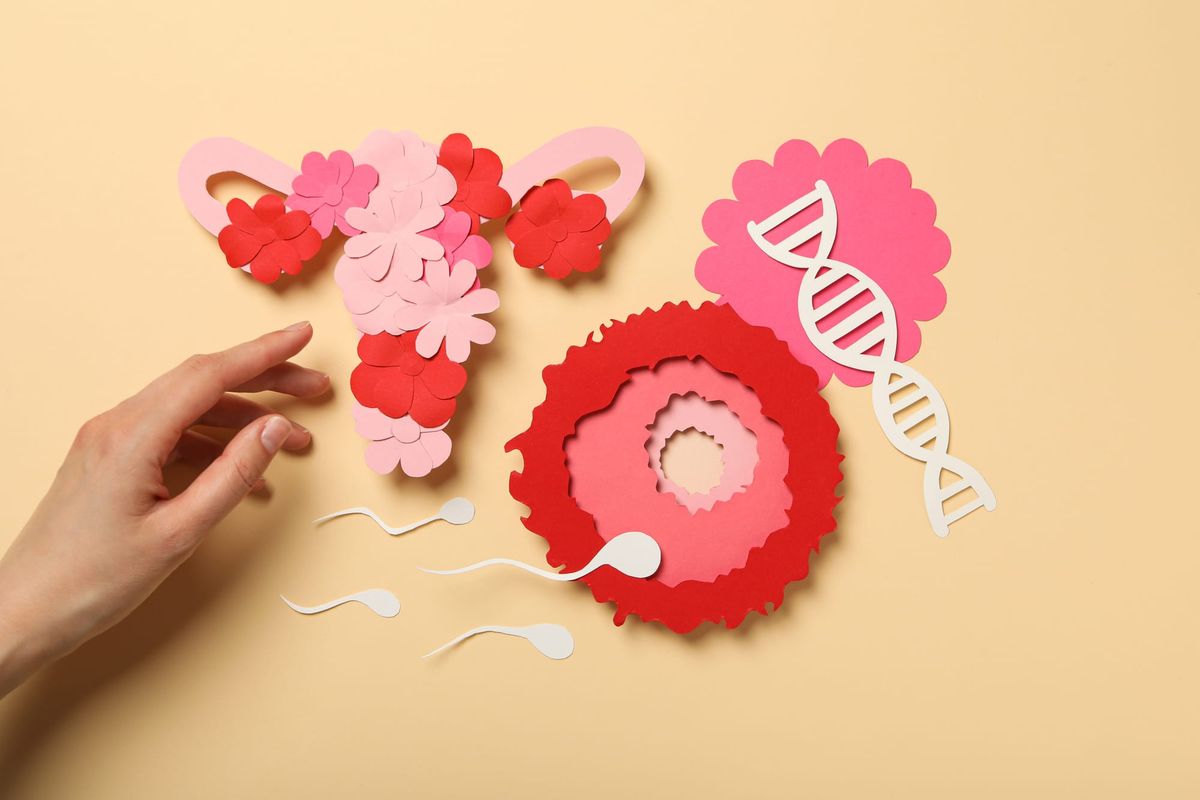
A gentle way to understand your cycle without turning your body into another project.
For years, I treated my period like an inconvenience.
Something to manage quietly. Something to work around. Something that arrived, disrupted things for a few days, and then disappeared until the next month.
I didn’t think much about the rest of my cycle. I didn’t connect the dots between my energy, cravings, mood, sleep, motivation, and the different phases my body was moving through.
I just thought I was inconsistent.
Some days I felt focused, social, and strong. Other days I felt foggy, sensitive, hungry, bloated, and like I wanted to cancel every plan and live under a blanket.
And when those lower-energy days came, I usually blamed myself.
I thought I needed more discipline. More motivation. More control.
What I really needed was more awareness.
Cycle awareness has helped me understand my body with more kindness. Not perfectly. Not obsessively. Just enough to notice patterns and stop treating every shift as a personal failure.
Your Cycle Is More Than Your Period
When we talk about the menstrual cycle, many of us think only about bleeding days. But your cycle is a full hormonal rhythm that happens across the month.
The menstrual cycle is the monthly hormonal process the body goes through as it prepares for a possible pregnancy, and regular periods between puberty and menopause are often one sign that the body is functioning normally.
In simple terms, your body moves through different phases. Hormones rise and fall. Your energy may change. Your mood may shift. Your appetite may feel different. Your sleep may be affected.
Not every woman feels these changes strongly, and not every cycle is the same. But many of us do notice patterns once we start paying attention.
And honestly, that awareness can feel like such a relief.
Not because it explains everything, but because it reminds us that our bodies are not random, dramatic, or difficult. They are responsive.
PMS Is Real, Not a Personality Flaw
I wish I could go back and tell my younger self this: feeling different before your period does not mean you are weak or irrational.
PMS can include physical and emotional symptoms that appear after ovulation and before your period, and those symptoms may ease within a few days after bleeding starts.
For some women, PMS is mild. For others, it can be exhausting.
You might notice:
Mood changes.
Cravings.
Bloating.
Tender breasts.
Headaches.
Poor sleep.
Feeling more emotional.
Lower patience.
A deeper need for quiet.
Cleveland Clinic also lists common period-related symptoms such as cramps, mood changes, trouble sleeping, headaches, cravings, bloating, breast tenderness, and acne.
I don’t say that to make you hyper-focused on symptoms. I say it because sometimes simply knowing something is common can soften the shame around it.
Your body may be asking for more care during that time, not more criticism.
Cravings Are Information
I used to treat cravings like a failure.
If I wanted chocolate before my period, I thought I had “lost control.” If I wanted more carbs, I assumed I was being indulgent. If my appetite increased, I would try to ignore it, which usually made me feel even more preoccupied with food.
Now, I try to be more curious.
Did I eat enough today?
Am I tired?
Am I stressed?
Am I in the week before my period?
Would a more satisfying meal help?
Am I craving comfort, energy, or both?
Cravings around your period can be connected to hormonal changes, and they are not something you are simply imagining.
That doesn’t mean every craving has to be followed immediately or dramatically. It just means we don’t need to respond with panic or shame.
Sometimes I want chocolate, and I have some.
Sometimes I realize I need a proper meal with protein, carbohydrates, and something warm.
Sometimes I need rest more than snacks.
The kinder question is not, “How do I control myself?”
It is, “What am I actually needing?”
Mood Shifts Deserve Compassion
One of the biggest gifts of cycle awareness is learning not to believe every harsh thought immediately.
There are days in my cycle when I feel more confident, more open, and more able to handle life’s little bumps. Then there are days when everything feels closer to the surface.
A comment lands harder.
A messy room feels overwhelming.
A full inbox feels personal.
A small inconvenience feels like the final straw.
In the past, I would judge myself for that.
Now I try to pause and ask, “Where am I in my cycle? What else is going on? Have I slept? Have I eaten? Am I carrying too much?”
This doesn’t mean dismissing emotions. Our feelings still matter. But cycle awareness can help us meet them with context.
Sometimes the feeling is telling us something important.
Sometimes it is asking for a boundary.
Sometimes it is asking for rest.
Sometimes it is simply passing through a more sensitive body.
Either way, we can respond more gently.
Rest Is Not Wasted Time
There are phases of the month when I naturally want to do more. I feel creative, social, motivated, and ready to move my body.
There are other times when I want simplicity.
Easy meals. Earlier nights. Softer clothes. Fewer plans. A walk instead of a hard workout. Quiet instead of noise.
For a long time, I resisted that. I thought consistency meant doing the same things with the same intensity every day.
But women’s bodies often don’t work like that.
Consistency can also mean staying connected to yourself through change.
Some days, caring for your health looks like strength training and meal prep.
Other days, it looks like soup, a heating pad, a slow walk, and going to bed early.
Both can be healthy.
Both can be care.
Tracking Without Obsessing
Cycle awareness does not need to become another thing to perfect.
You do not need a complicated chart, a drawer full of supplements, or a full personality shift based on what phase you’re in.
You can begin very simply.
For one or two months, gently notice:
When your period starts.
How your energy feels.
When cravings show up.
How your mood changes.
How well you sleep.
When you feel most social or most inward.
What kind of movement feels good.
When your body asks for more food or rest.
That’s it.
No judgment. No dramatic conclusions. Just noticing.
The goal is not to control your body.
The goal is to understand it.
When to Ask for Help
Gentle cycle awareness also means taking symptoms seriously.
Some discomfort can be common, but that does not mean you should ignore intense pain, very heavy bleeding, bleeding between periods, cycles that suddenly become very irregular, or symptoms that interfere with daily life.
The Office on Women’s Health notes that irregular, heavy, or painful periods are not something to dismiss. ACOG also encourages speaking with a doctor about heavy or abnormal bleeding concerns.
You are not being dramatic for wanting answers.
You are not “too sensitive” for asking questions.
Your body deserves care, and sometimes that care includes professional support.
A Softer Relationship With Your Body
Cycle awareness has not made my life perfect. I still have months that surprise me. I still have days when I feel emotional, tired, hungry, or not quite like myself.
But now, I am less likely to turn those days into a story about my worth.
I can say, “Ah, this might be where I am in my cycle.”
I can choose a gentler workout.
I can eat a more satisfying meal.
I can move a meeting if I need to.
I can go to bed earlier.
I can remind myself that this feeling will shift.
That is the beauty of awareness.
It gives us options.
It helps us stop fighting every change and start listening with more kindness.
Your cycle is not something to fear. It is not something to obsess over. It is not something that makes you less capable.
It is part of your body’s language.
And when you learn that language, even a little, you may find yourself feeling less confused, less ashamed, and more at home in yourself.
With warmth,
Hannah
Don't miss out on future updates!
Join our newsletter to get the latest insights delivered straight to your inbox.