Nourishment Over Restriction: How to Eat in a Kinder Way
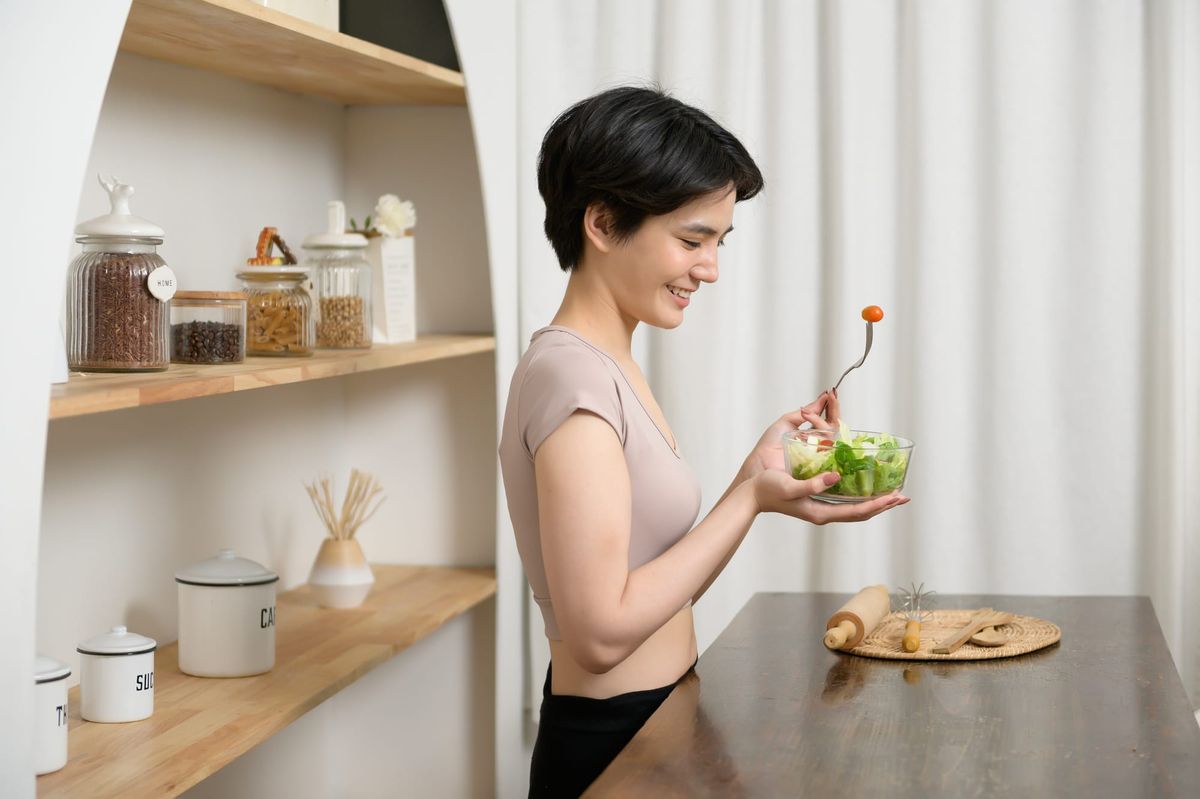
Because food should support your life, not make you feel guilty for living it.
For a long time, I thought eating well meant being stricter with myself.
Stricter with portions.
Stricter with sugar.
Stricter with snacks.
Stricter with what I was “allowed” to eat.
I thought that if I could just be more disciplined, I would finally feel in control of my body, my energy, and my health.
But what I mostly felt was tired.
Tired of thinking about food.
Tired of starting over every Monday.
Tired of feeling proud when I ate “perfectly” and guilty when I didn’t.
Tired of treating hunger like a problem and cravings like a personal weakness.
It took me years to understand that being hard on myself around food was not making me healthier. It was making me less connected to my body.
And I don’t think I’m the only woman who has felt this way.
So many of us have been taught to see food through a lens of control. We learn to label foods as good or bad, clean or dirty, safe or dangerous. We learn to shrink meals, ignore hunger, earn dessert, and feel like our bodies are something to manage rather than care for.
But there is another way.
A kinder way.
One that asks: How can I nourish myself today?
Not punish.
Not restrict.
Not perfect.
Nourish.
Restriction Can Feel Productive at First
I understand why restriction is tempting.
It gives us rules. And rules can feel comforting, especially when life feels busy or our bodies feel unpredictable.
Eat this, not that.
Stop eating after this time.
Cut this out.
Never eat that.
Be smaller.
Be better.
Be more controlled.
At first, it can feel like progress. Like we finally have a plan.
But for many women, restriction eventually creates the opposite of peace. It can lead to more cravings, more guilt, more obsession, and a deeper feeling that we can’t trust ourselves around food.
I used to think cravings meant I lacked willpower. Now I often see them as information.
Maybe I didn’t eat enough earlier.
Maybe I skipped protein at breakfast.
Maybe I’m tired.
Maybe I’m stressed.
Maybe I’m about to get my period.
Maybe I need comfort, not criticism.
That shift changed so much for me.
When I stopped treating every craving like an emergency, I could start listening with more curiosity.
Food Is Not Just Fuel
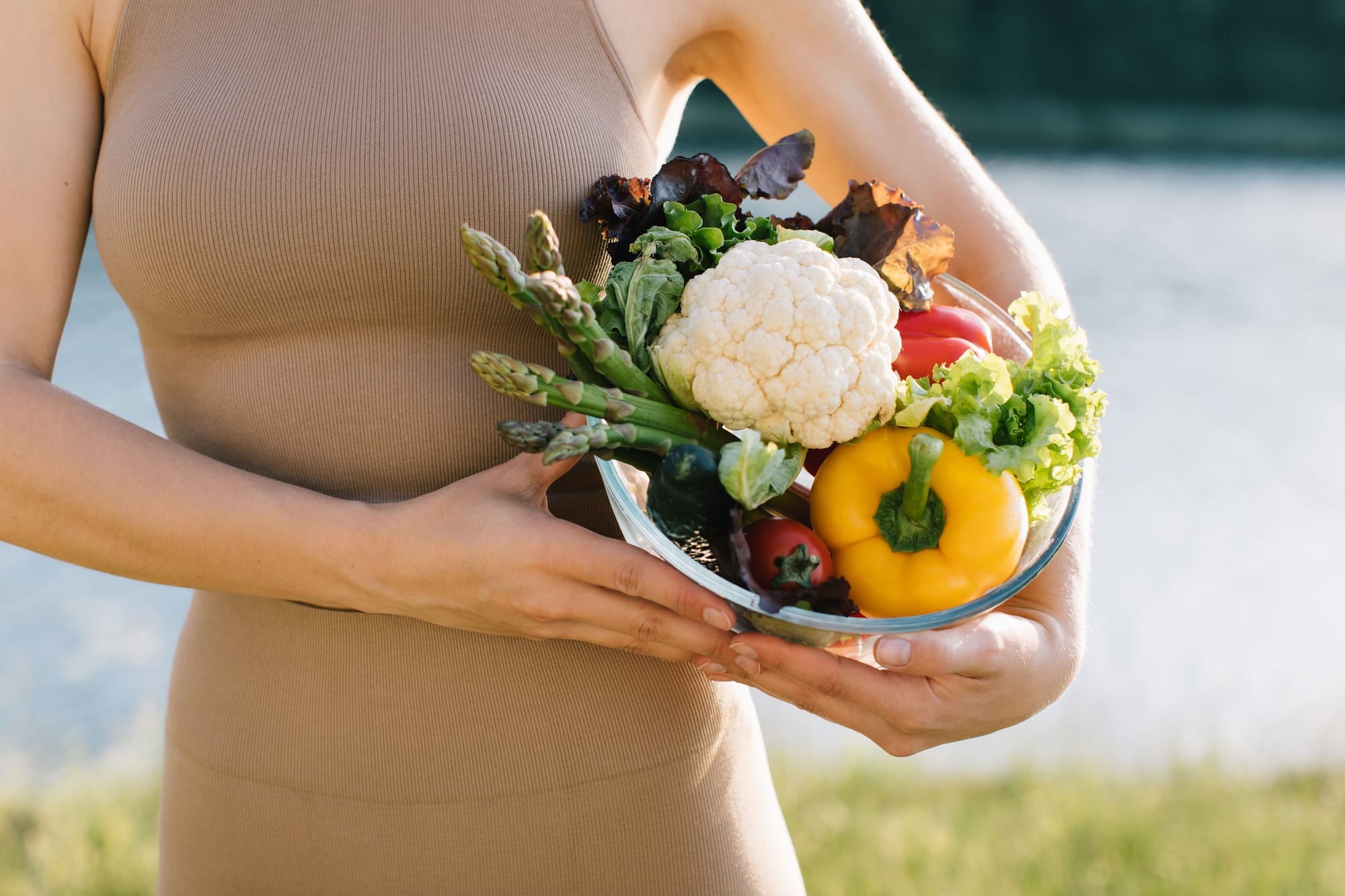
You’ve probably heard the phrase “food is fuel.” And yes, of course - food gives us energy. It supports our bodies, our brains, our hormones, our digestion, and our daily lives.
But food is also more than fuel.
Food is culture.
Food is comfort.
Food is memory.
Food is pleasure.
Food is connection.
Food is the soup someone makes when you’re unwell.
Food is birthday cake.
Food is coffee with a friend.
Food is warm toast on a slow morning.
Food is pasta after a long day when you need something simple and kind.
When we reduce food to numbers, rules, and guilt, we lose something very human.
I don’t want to live in a world where every meal has to be optimized.
I want to live in a body that feels supported, and I want to enjoy the life happening around the table too.
What Nourishment Means to Me
Nourishment is not about eating perfectly.
To me, nourishment means choosing food that helps me feel steady, satisfied, and cared for.
Some days, that looks like a colorful plate with salmon, rice, greens, and olive oil.
Some days, it looks like eggs on toast.
Some days, it looks like soup and bread.
Some days, it looks like Greek yogurt with berries and nuts.
Some days, it looks like a simple pasta dinner because I am tired and need something warm.
And yes, sometimes it looks like chocolate without turning it into a moral event.
The older I get, the less interested I am in dramatic food rules. I am much more interested in meals that support my energy, mood, digestion, and long-term wellbeing in a way I can actually maintain.
Because a routine only helps if it fits into your real life.
Eating for Energy
One of the biggest changes I noticed when I moved away from restriction was my energy.
When I under-ate or tried to make meals too “light,” I often ended up feeling shaky, irritable, foggy, or desperate for snacks later in the day.
Now, I try to build meals that keep me steadier.
For me, that usually means including:
Protein to help me feel satisfied.
Fiber to support digestion and fullness.
Healthy fats to make meals more grounding.
Carbohydrates to give my body energy.
Colorful foods when I can, because they make meals feel fresh and nourishing.
This does not have to be complicated.
A balanced meal could be chicken, potatoes, and vegetables.
It could be oatmeal with fruit and nut butter.
It could be tuna on toast with cucumber on the side.
It could be beans, rice, avocado, and salsa.
It could be a smoothie with protein, fruit, and seeds.
It does not need to look like a wellness magazine.
It just needs to support you.
Letting Go of Food Guilt
Food guilt is exhausting.
It turns ordinary moments into emotional battles. It makes us think one meal has ruined everything. It makes us promise to “be good tomorrow,” as if eating is a test of character.
But food is not a moral test.
You are not good because you ate a salad.
You are not bad because you ate dessert.
You are not more worthy when you feel in control.
You are not less worthy when you eat more than planned.
You are a human being with a body that needs food every day.
Of course, our choices matter. I’m not pretending nutrition is irrelevant. What we eat can affect how we feel, and learning to care for ourselves through food is powerful.
But shame is not a helpful ingredient.
In my experience, guilt often leads to more restriction, then more cravings, then more guilt. Kindness interrupts that cycle.
Kindness says, “Okay, that happened. What would feel supportive next?”
Not as punishment.
Not as compensation.
Just care.
Digestion Needs Gentleness Too
Many women I know have a complicated relationship with digestion.
Bloating, discomfort, irregularity, sensitivity, and that frustrating feeling of not knowing what your body wants.
I’ve had seasons where my digestion felt unpredictable, and my first instinct was to cut things out. Fewer foods. More rules. More fear.
Sometimes, specific foods truly don’t agree with us, and it’s important to pay attention to that. But I’ve also learned that digestion is affected by more than just what we eat.
Stress matters.
Sleep matters.
Eating too quickly matters.
Skipping meals matters.
Hormonal shifts can matter.
Not drinking enough water matters.
Living in a constant state of tension can matter.
So now, instead of immediately blaming myself or my food, I try to look at the whole picture.
Am I eating calmly?
Am I chewing properly?
Am I getting enough fiber?
Am I drinking water?
Am I rushing through every meal?
Am I stressed and expecting my body to digest peacefully anyway?
The body is not separate from the life we’re living.
A Kinder Plate
If you want to begin eating in a kinder way, you don’t need to overhaul everything.
Start with one meal.
Ask yourself:
What can I add that would support me?
Maybe it’s adding eggs to breakfast.
Maybe it’s adding vegetables to pasta.
Maybe it’s adding avocado to toast.
Maybe it’s adding fruit to yogurt.
Maybe it’s adding a proper lunch instead of surviving on coffee until dinner.
I love the idea of adding before subtracting.
Restriction asks, “What should I remove?”
Nourishment asks, “What does my body need more of?”
That small question can change the entire feeling around food.
You Can Trust Yourself Again
If you have spent years dieting, restricting, overeating, feeling guilty, or swinging between “being good” and “starting over,” trusting yourself around food may feel difficult at first.
That’s okay.
Trust takes time.
You rebuild it meal by meal, not by being perfect, but by showing your body that you are listening.
You feed yourself when you are hungry.
You choose satisfying meals.
You stop turning every choice into a judgment.
You notice how foods make you feel.
You allow pleasure.
You practice returning to balance without punishment.
This is not always easy. But it is deeply worth it.
Because food can become softer again.
It can become supportive again.
It can become part of caring for yourself, instead of another place where you feel like you are failing.
A Softer Way to Eat
My hope is that we can move away from the idea that women need to be controlled around food in order to be healthy.
We do not need more shame.
We need steadiness.
We need nourishment.
We need education.
We need body respect.
We need meals that give us energy.
We need room for pleasure.
We need habits that support our real lives.
Eating in a kinder way does not mean giving up on your health.
It means choosing health without hating yourself into it.
It means making food decisions from care instead of fear.
It means remembering that your body is not a problem to solve before you are allowed to enjoy your life.
So today, maybe the question is not, “How can I be stricter?”
Maybe the question is:
“What would help me feel nourished?”
And maybe that is a much better place to begin.
With warmth,
Hannah
Don't miss out on future updates!
Join our newsletter to get the latest insights delivered straight to your inbox.